Monday, June 30, 2025

Event post published to Glow by Elena Reitman MD at June 30, 2025 16:00


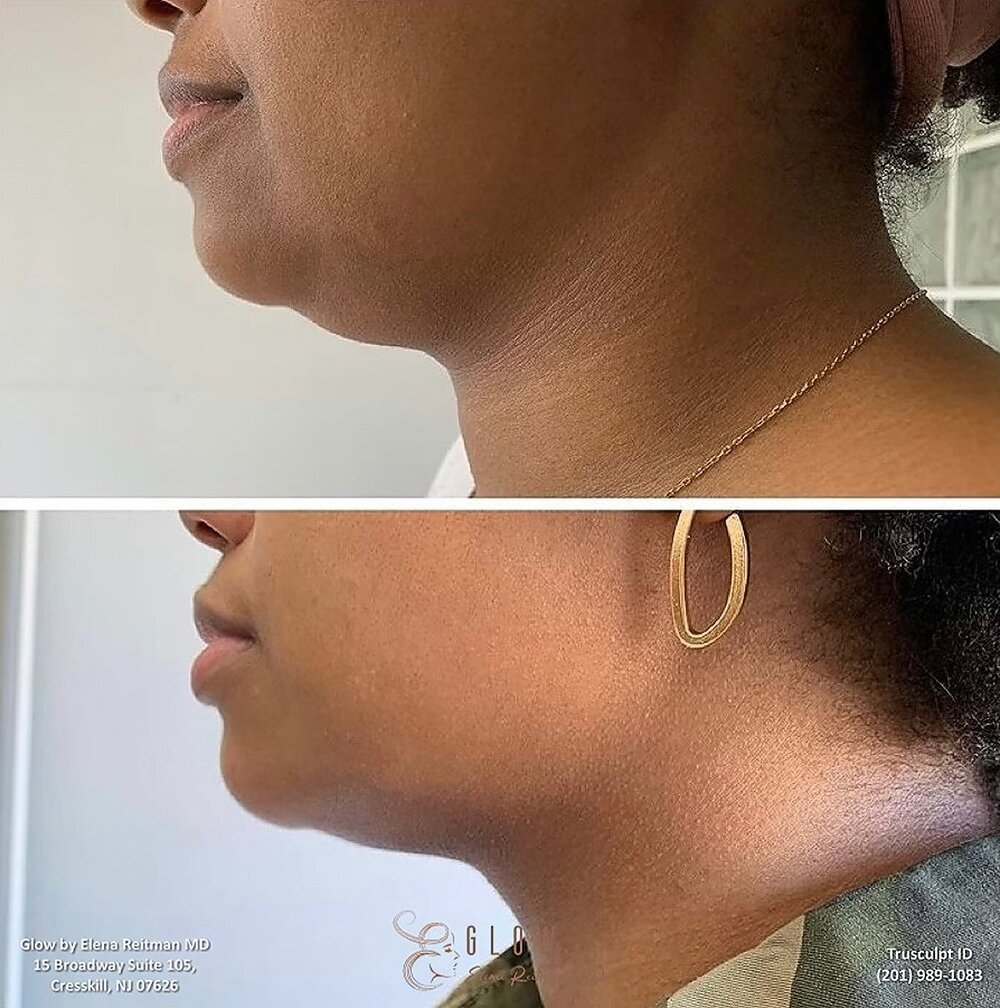
When it comes to non-invasive fat reduction, skin condition plays a bigger role than many realize. One key factor? Skin hydration and oil levels. Patients with naturally more hydrated or oily skin often ask whether this affects the performance or safety of TruSculpt iD treatments. The answer is yes—but not in the way you might think.

Because radiofrequency energy travels differently through skin with higher moisture or lipid content, adjustments must be made to maintain both safety and efficacy. Hydrated skin tends to conduct heat more efficiently, which means energy can penetrate faster or more deeply than expected. That’s why Dr. Elena Reitman, MD, evaluates skin condition prior to every TruSculpt iD session and calibrates the treatment settings accordingly.

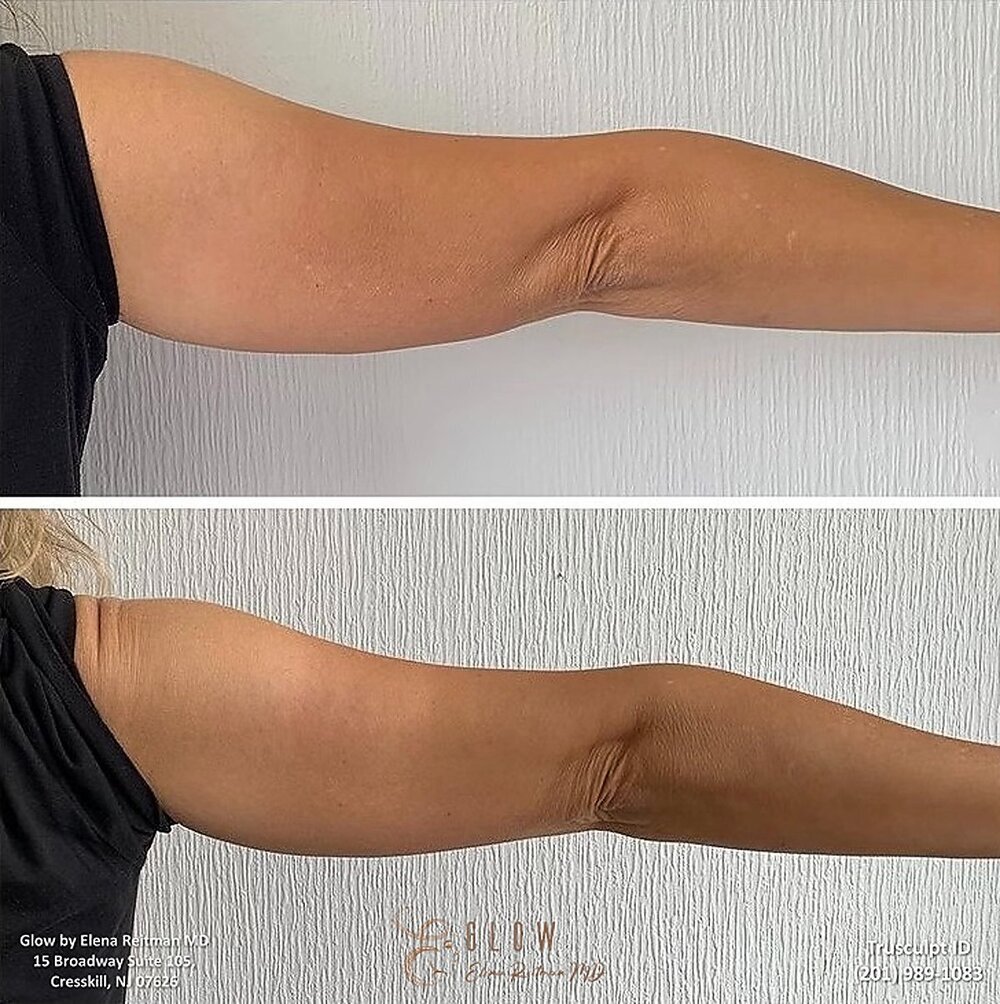
By modulating pulse duration, energy intensity, and cooling parameters, the treatment can be customized to ensure controlled thermal delivery—avoiding overheating while still targeting fat cells effectively. This is especially important in areas where oil glands are more active, such as the back or upper arms.

The result? Smoother, safer treatments that remain comfortable and consistent across skin types. Precision doesn’t come from the machine alone—it comes from a provider who understands how to adapt advanced technology to the nuances of your skin.


Learn more


from GMB Posts For Location "Glow by Elena Reitman MD" https://ift.tt/7LVftil

Thursday, June 26, 2025

Standard post published to Glow by Elena Reitman MD at June 26, 2025 16:00


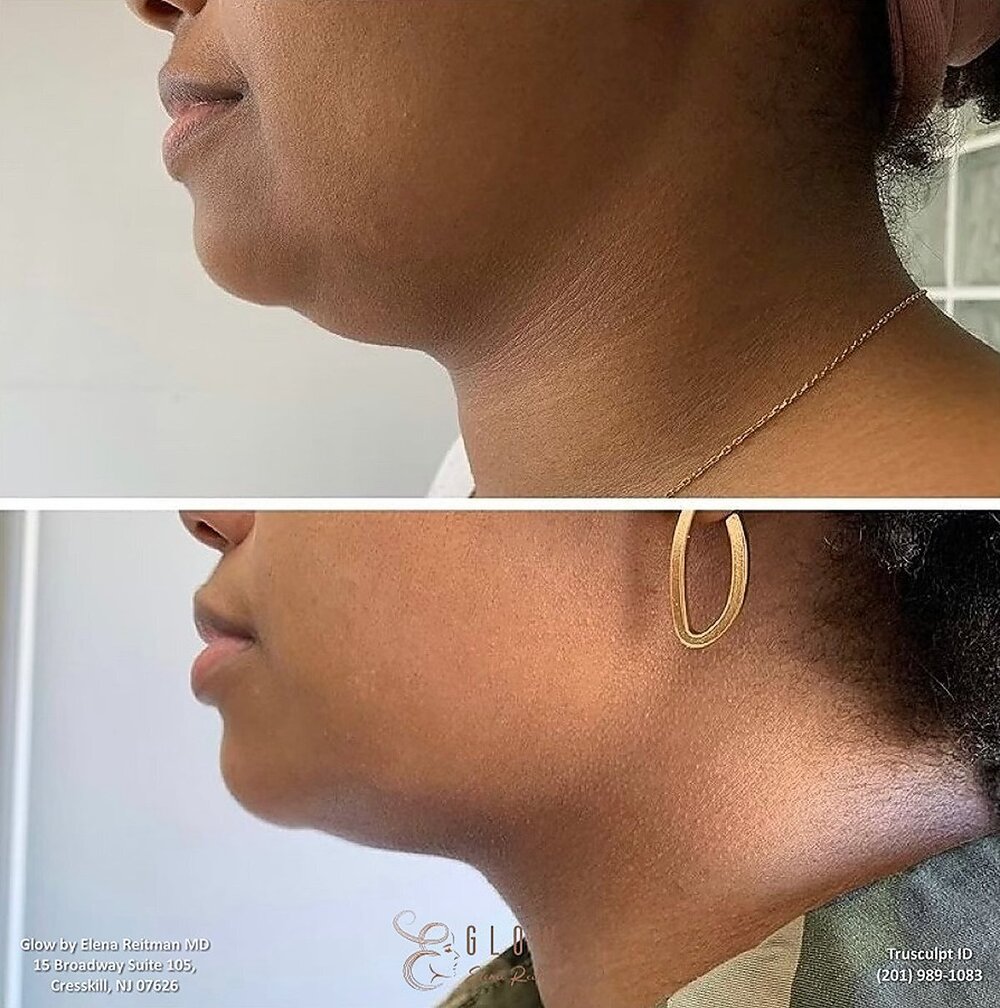
TruSculpt iD Results: Flanks vs. Lower Abdomen

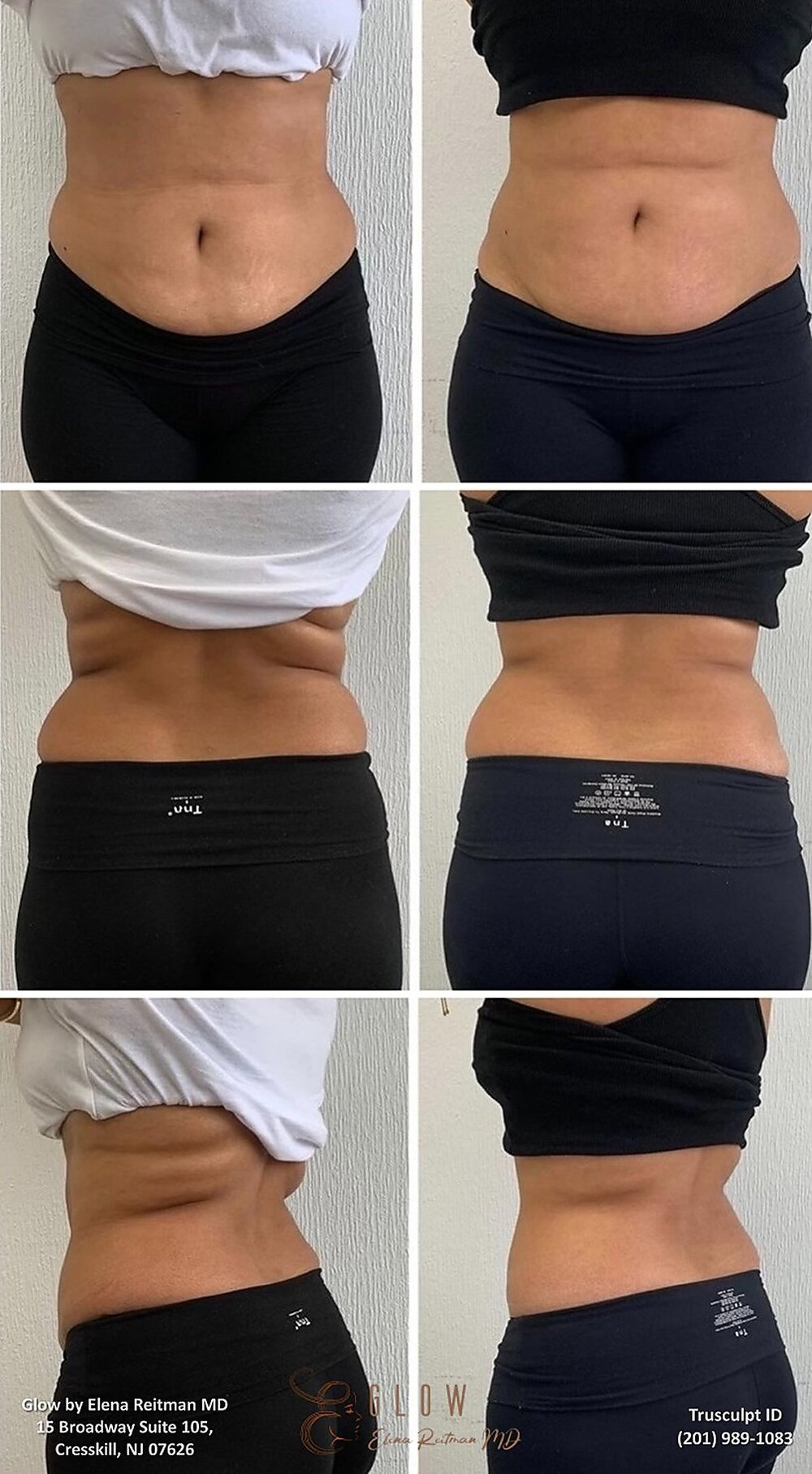
Not all fat is created equal—and TruSculpt iD knows it. One of the most common questions patients ask is whether this non-invasive body sculpting treatment performs differently on fibrous adipose tissue (like that found in the flanks or love handles) versus softer, looser fat in areas such as the lower abdomen. The short answer: yes, and the difference lies in how the tissue structure affects energy penetration.

Fibrous fat tends to be denser and more compact due to connective tissue bands, making it more resistant to traditional treatments. However, TruSculpt iD’s monopolar radiofrequency technology is uniquely equipped to address these areas. It delivers uniform, deep heating that bypasses the surface and targets fat layers effectively—even through tough, fibrous zones. On the flip side, softer fat deposits—like those in the lower belly—typically allow faster, more uniform heat distribution, which can translate to quicker visible results.

Dr. Elena Reitman, MD, adjusts each session based on the texture and density of the targeted area, ensuring energy is delivered with precision and consistency. Whether it’s stubborn side bulges or post-pregnancy belly fat, the versatility of TruSculpt iD makes it a powerful option for shaping various body types.

Customized care means your results reflect more than just technology—they reflect expertise.


Learn more


from GMB Posts For Location "Glow by Elena Reitman MD" https://ift.tt/2r6tYpK

Tuesday, June 24, 2025

Event post published to Glow by Elena Reitman MD at June 24, 2025 16:01


When considering TruSculpt iD to sculpt stubborn fat areas, most people think about fat thickness—but there’s another factor that plays a surprising role: muscle density. Whether you're lean and muscular or carry more subcutaneous fat, the composition beneath your skin can influence how the radiofrequency energy interacts with your body.

TruSculpt iD uses monopolar RF energy to selectively heat and destroy fat cells, which are then naturally eliminated over time. In patients with higher muscle density—think athletes or fitness enthusiasts—the layer of fat above the muscle is often thinner. This doesn’t make the treatment less effective, but it does require precision. The energy needs to be carefully calibrated to target fat cells without unnecessarily penetrating deeper into the muscle layer, where it’s not intended to act.

Dr. Elena Reitman, MD, tailors each treatment based on individual anatomy, using thermal mapping and real-time feedback to ensure consistent fat reduction while preserving muscle integrity. For those with firm or compact tissue, the device’s adaptive energy delivery system helps maintain safe, even heating across varied tissue types.

Ultimately, your body’s makeup isn’t a limitation—it’s part of the equation. Expert technique and personalized planning ensure that TruSculpt iD delivers consistent, contour-refining results regardless of your muscle profile.


Learn more


from GMB Posts For Location "Glow by Elena Reitman MD" https://ift.tt/TIuC3oc

Thursday, June 19, 2025

Standard post published to Glow by Elena Reitman MD at June 19, 2025 16:00


TruSculpt iD and Lymphatic Drainage: A Smart Pairing?

Body contouring isn’t just about destroying fat—it’s also about how efficiently your body clears it. That’s why many clients ask whether lymphatic drainage therapy can safely complement TruSculpt iD, a non-invasive fat-reduction treatment using monopolar radiofrequency. The answer? Yes—when done thoughtfully and under proper guidance.

TruSculpt iD works by heating subcutaneous fat to the point of apoptosis (cell death), after which the body begins clearing out the damaged fat cells through the lymphatic system. Supporting this natural detox process with lymphatic drainage can potentially accelerate fat clearance, reduce post-treatment swelling, and promote a smoother outcome. But timing is everything.

Dr. Elena Reitman, MD, often recommends waiting a few days post-treatment before introducing gentle lymphatic techniques—especially manual methods or compression-based therapies. This ensures the treated tissue has stabilized and inflammation has subsided. For patients prone to fluid retention or sluggish lymphatic function, this supportive care can provide a noticeable boost in comfort and early contour definition.

If your goal is faster recovery and visible results without added procedures, pairing TruSculpt iD with lymphatic therapy may be a strategic move. It’s one more way personalized care turns advanced technology into real, lasting transformation.


Learn more


from GMB Posts For Location "Glow by Elena Reitman MD" https://ift.tt/nSLfZGN

Tuesday, June 17, 2025

Event post published to Glow by Elena Reitman MD at June 17, 2025 16:00


When planning a Secret RF microneedling session, many women focus on results—but timing within the menstrual cycle might quietly influence both comfort and recovery, especially for those with sensitive or reactive skin. This detail is often overlooked, yet it can make a meaningful difference in how your skin responds.

Dr. Elena Reitman, MD, has observed that clients tend to tolerate microneedling with radiofrequency best during the follicular phase of their cycle—the week or so after menstruation ends. During this phase, estrogen levels are rising, promoting better skin hydration, improved tolerance to discomfort, and faster healing responses. In contrast, the luteal phase—the days leading up to your period—often comes with increased skin sensitivity, inflammation, and heightened pain perception, which can make the treatment feel more intense than usual.

For women with rosacea-prone or highly sensitive skin, coordinating your Secret RF session with the most favorable hormonal window can help optimize both the experience and results. While this isn’t a strict rule, it’s one more way Dr. Reitman ensures a thoughtful, personalized approach to aesthetic care.

Great outcomes don’t just rely on the technology—they depend on timing, expertise, and listening to your body’s rhythms. Subtle adjustments like these can elevate your treatment experience.


Learn more


from GMB Posts For Location "Glow by Elena Reitman MD" https://ift.tt/PJoefhC

Thursday, June 12, 2025

Standard post published to Glow by Elena Reitman MD at June 12, 2025 16:00


Secret RF and Hidden Inflammation: What to Know

Not all skin conditions are visible on the surface. Subclinical inflammation—like undiagnosed rosacea or persistent low-grade acne—can quietly disrupt your skin’s internal balance. If you're considering Secret RF microneedling to improve skin texture and firmness, understanding how these underlying issues impact treatment outcomes is crucial.

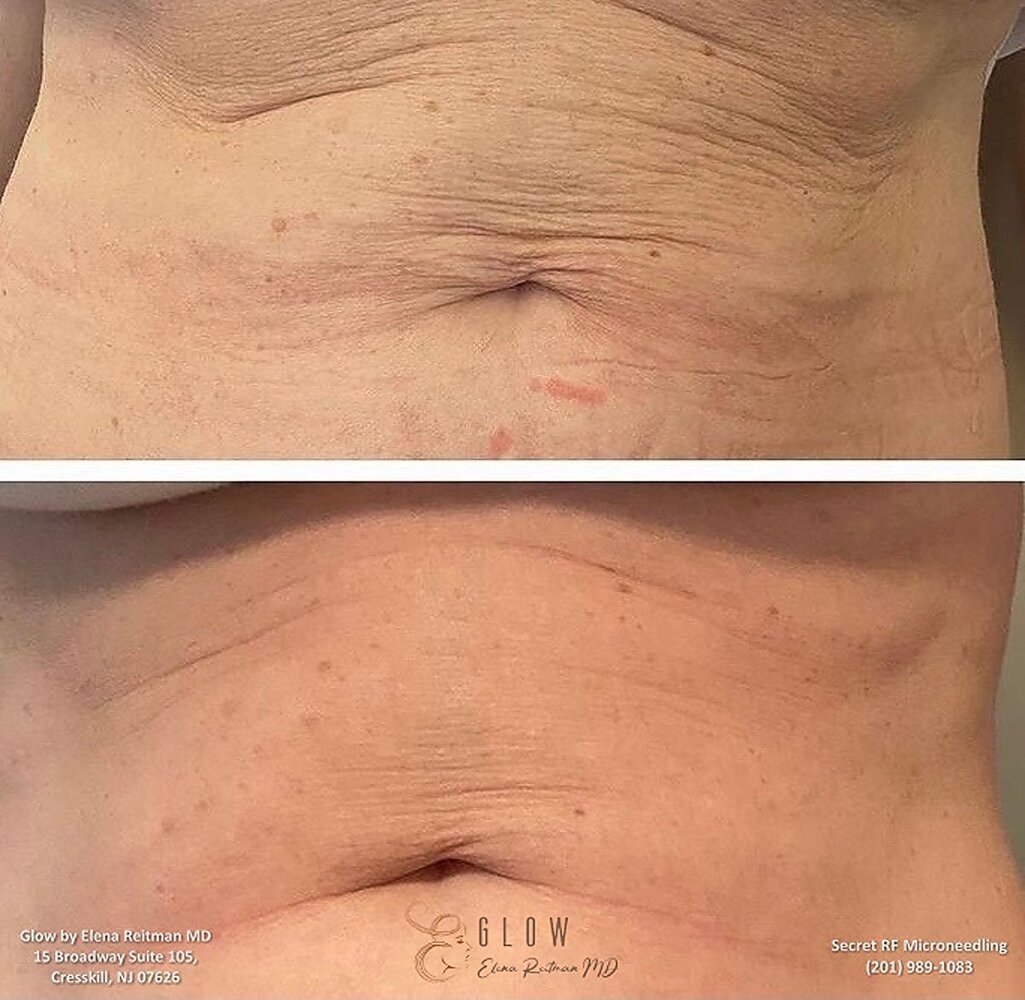
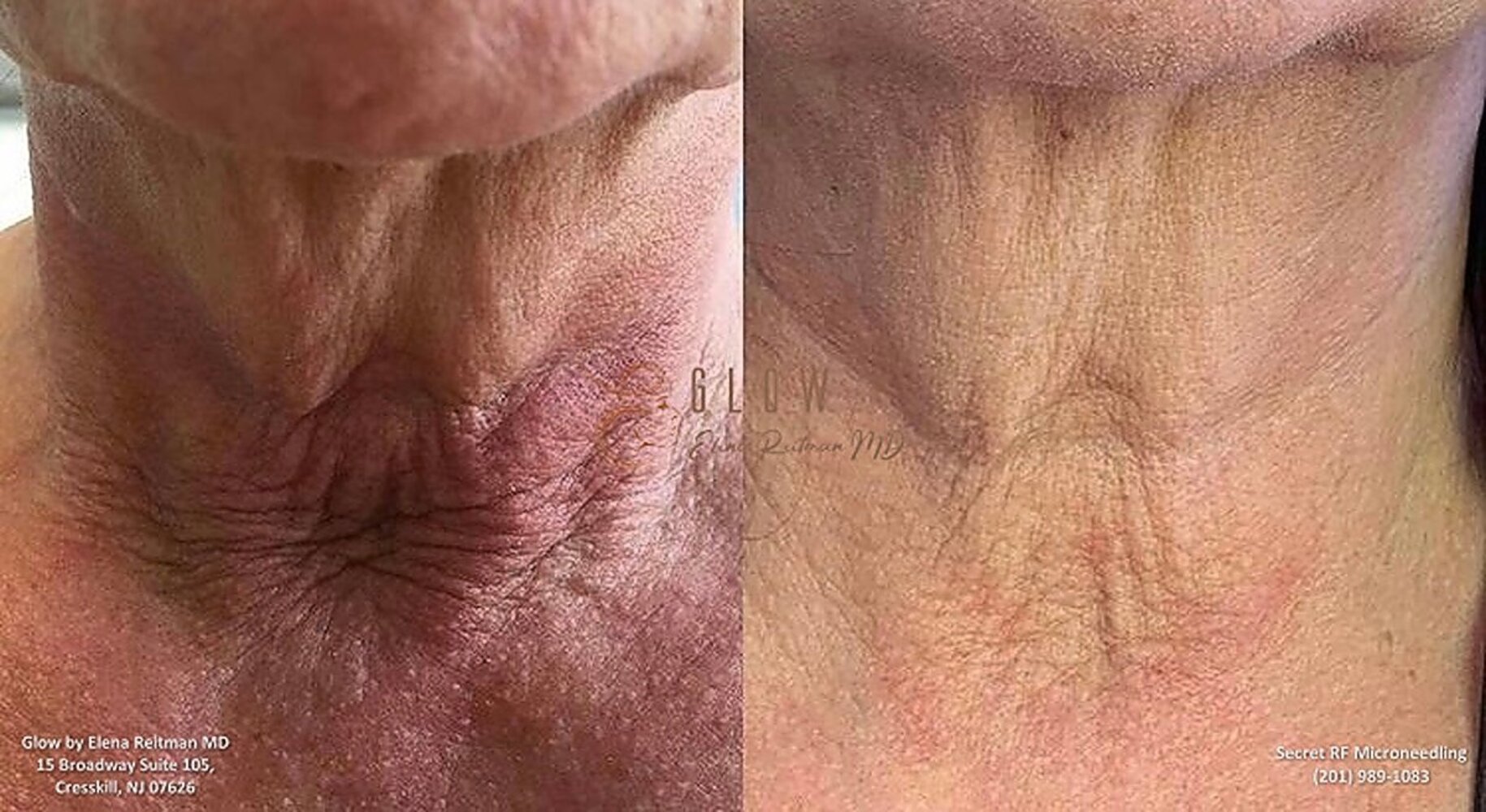
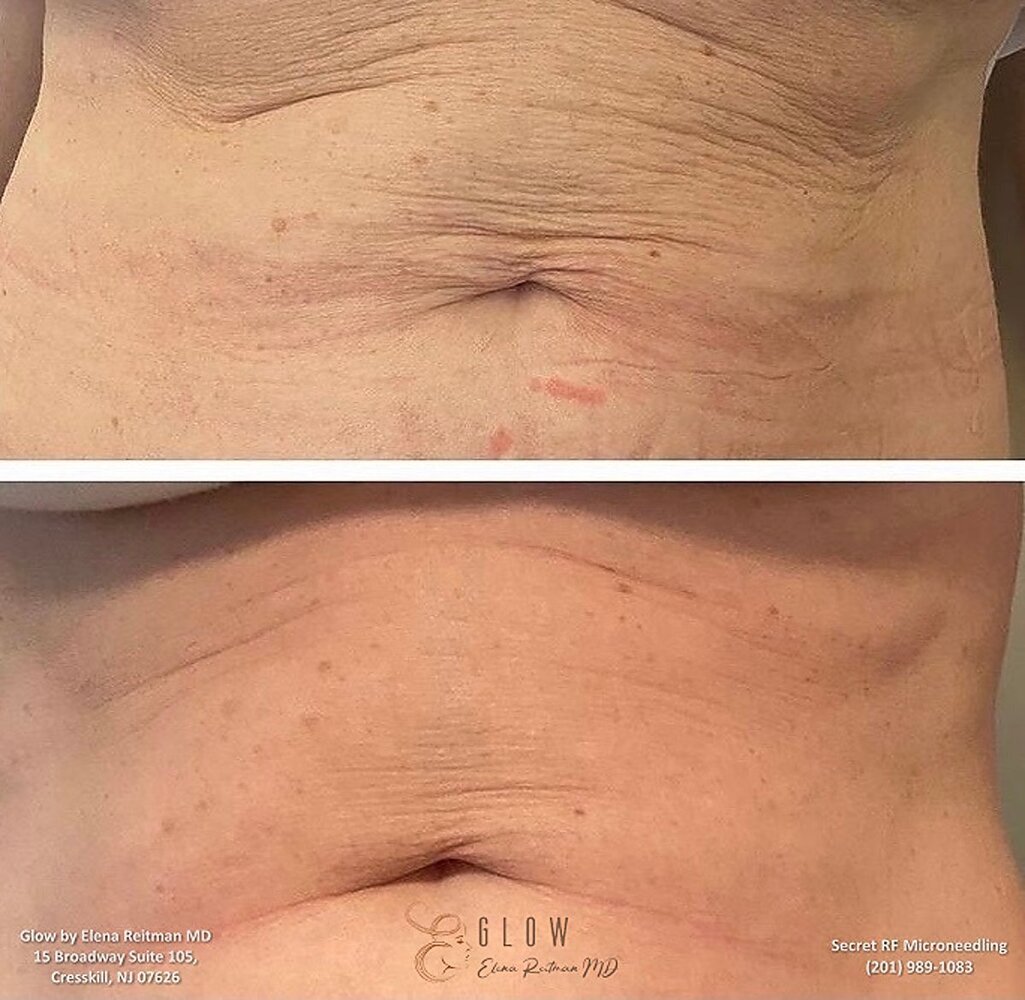
Secret RF works by delivering radiofrequency energy through microneedles, stimulating collagen and elastin remodeling deep within the dermis. When inflammation is already present, even at a low level, it can subtly alter how your skin responds to this controlled thermal injury. Instead of building healthy new tissue, inflamed skin may heal unevenly or produce collagen that is less structurally sound.

Dr. Elena Reitman, MD, carefully screens patients for signs of barrier disruption or inflammation—often invisible to the untrained eye—before recommending Secret RF. In some cases, she may advise managing those conditions first to ensure optimal results. When timed and sequenced properly, Secret RF can even help reduce inflammation-related flare-ups by strengthening the dermal matrix and improving skin resilience.

Don’t let undetected inflammation undermine your skin goals. A comprehensive, medically guided approach makes all the difference between temporary improvement and long-lasting transformation. Your skin tells a story—make sure it's one worth reading.


Learn more


from GMB Posts For Location "Glow by Elena Reitman MD" https://ift.tt/V83Cdj4

Tuesday, June 10, 2025

Event post published to Glow by Elena Reitman MD at June 10, 2025 16:00


As patients seek non-surgical ways to rejuvenate their skin, the combination of technologies like Secret RF microneedling and bio-stimulating injectables such as Sculptra has become a topic of growing interest. But is pairing these two collagen-stimulating treatments within the same series safe—and more importantly, is it effective?

Dr. Elena Reitman, MD, approaches this with precision and science. Secret RF uses radiofrequency energy delivered through microneedles to remodel the skin’s deeper layers, improving texture, tone, and firmness. Sculptra, on the other hand, works by gradually stimulating your body’s natural collagen production through injectable poly-L-lactic acid. Used thoughtfully, these treatments can complement one another—amplifying long-term collagen production while addressing both skin quality and volume loss.

However, timing and sequencing matter. Performing both on the same day or too close together may interfere with tissue response or lead to suboptimal absorption. That’s why Dr. Reitman creates personalized treatment plans, often staggering sessions to give your skin the opportunity to respond fully to each modality.

The benefit? A more radiant, youthful appearance with minimal downtime. The drawback? It requires the expertise to layer treatments safely and strategically—not all providers have that level of insight. Trust your face to experience backed by results.


Learn more


from GMB Posts For Location "Glow by Elena Reitman MD" https://ift.tt/XhBW1sJ

Friday, June 6, 2025

Standard post published to Glow by Elena Reitman MD at June 06, 2025 16:00


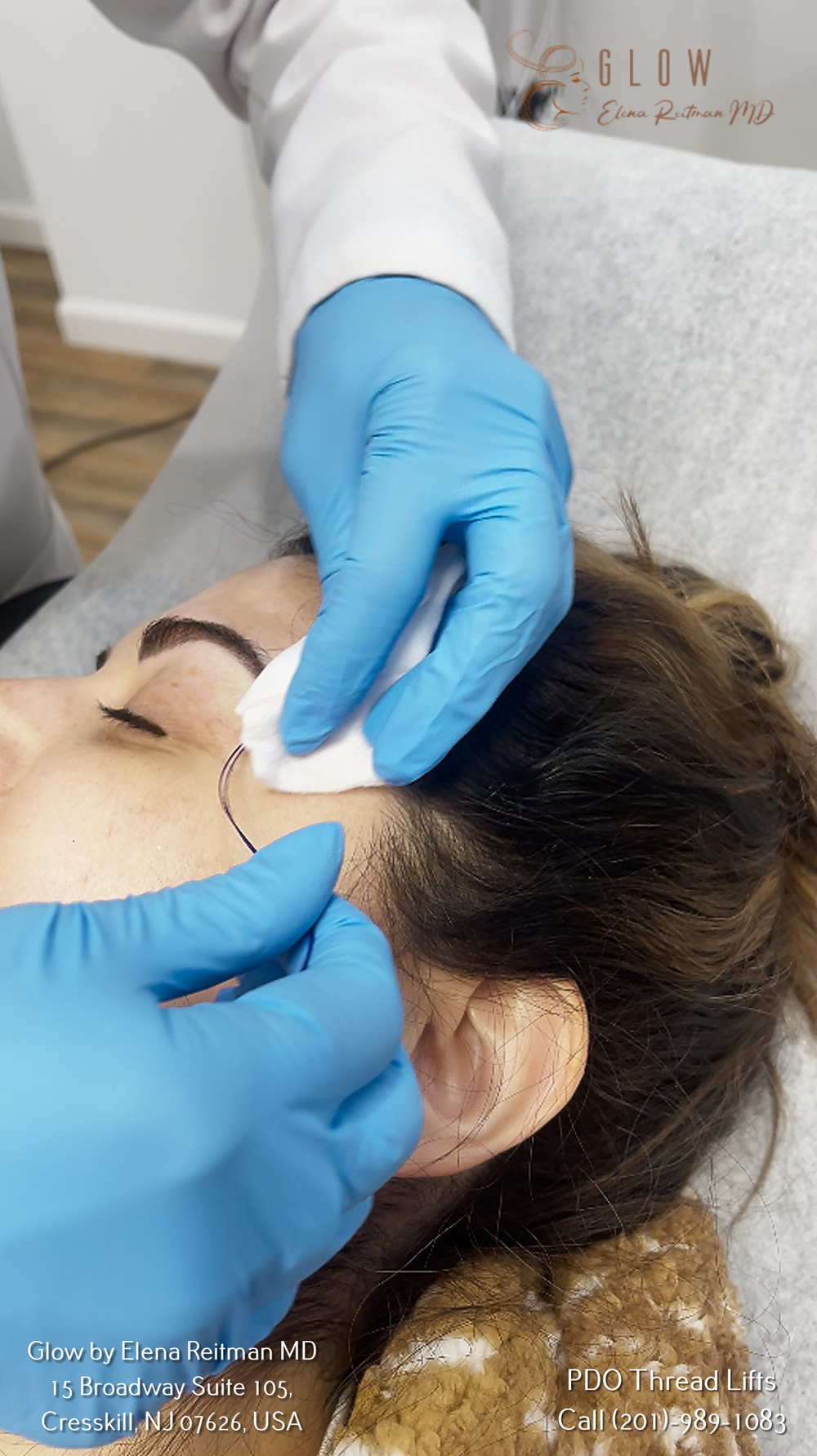
PDO Thread Lift Results: Thin vs. Thick Skin Types

When it comes to PDO Thread Lifts, one often overlooked factor is skin density. Patients with thinner, more translucent skin may experience a different thread response compared to those with denser, more fibrous skin—and understanding this distinction is essential for setting realistic expectations.

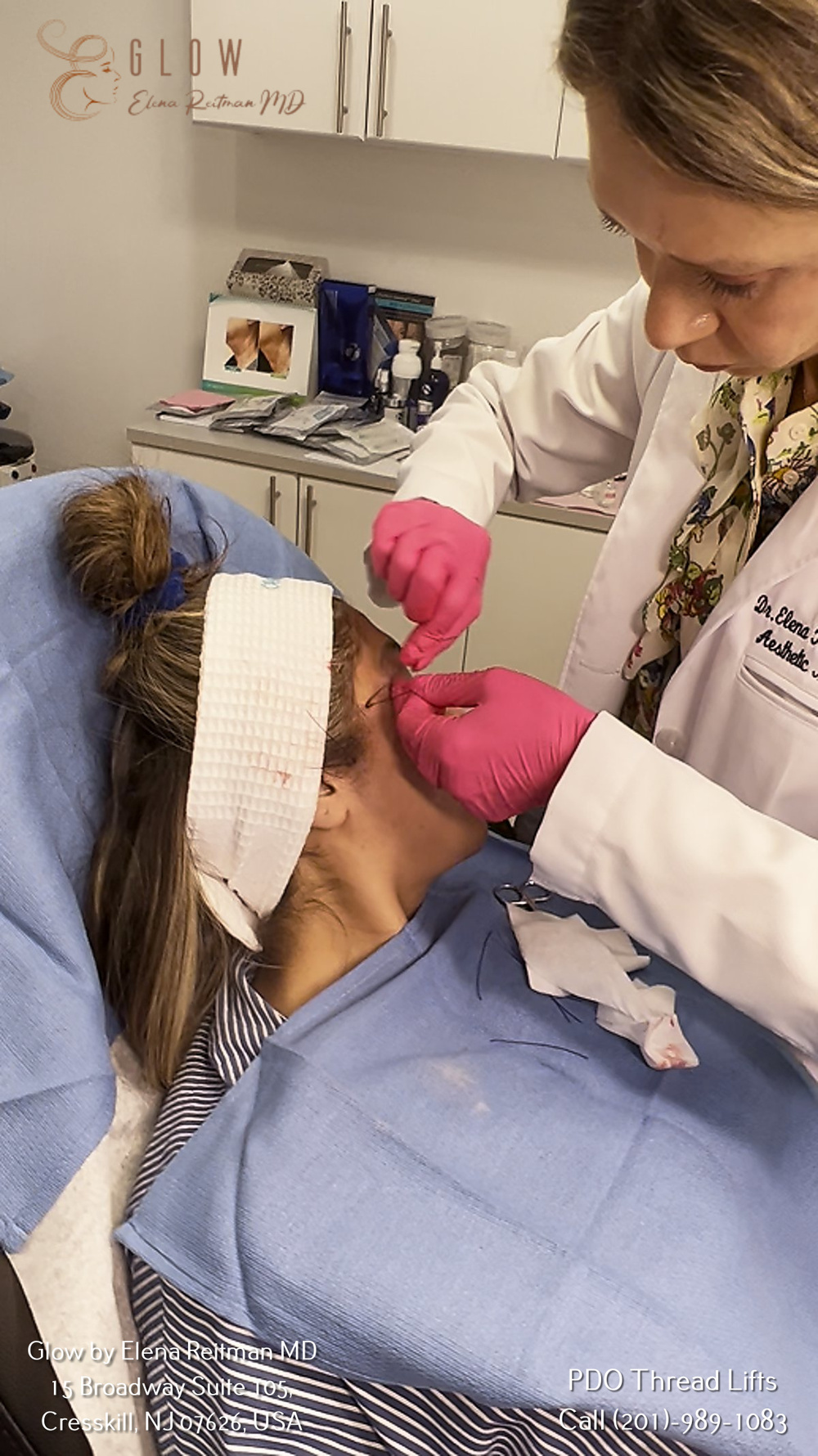
Dr. Elena Reitman, MD, carefully evaluates each patient’s skin structure before recommending thread lift treatment at her Cresskill, NJ medical spa. Thinner skin often reveals subtle contouring more quickly, but it can also be more delicate, requiring lighter tension and precise thread depth to avoid visibility or surface irregularities. Thicker, more collagen-rich skin offers a sturdier foundation for anchoring threads, allowing for a stronger lift—but may take longer to reveal results due to deeper tissue integration.

Thread type, technique, and vector placement are all adjusted based on your unique skin biology. There’s no one-size-fits-all protocol—especially when the goal is to achieve both safety and natural-looking enhancement. Whether your concern is sagging cheeks, jowls, or mid-face volume loss, the condition of your skin plays a key role in the outcome.

If you've wondered whether your skin type makes a difference, the answer is yes—and the skill of your provider makes all the difference in how those threads perform.


Learn more


from GMB Posts For Location "Glow by Elena Reitman MD" https://ift.tt/OEJeRbd

Wednesday, June 4, 2025

Event post published to Glow by Elena Reitman MD at June 04, 2025 16:00


For those dealing with lingering acne scars or uneven skin texture, deciding on the right rejuvenation treatment often comes with extra questions. One we hear often: does previous facial scarring affect the safety or results of a PDO Thread Lift? It’s an important consideration, and the answer is more nuanced than a simple yes or no.

PDO threads are designed to create a subtle lift by anchoring in the deeper layers of the skin and stimulating collagen production. However, areas with old acne scarring—especially where the dermis is thinned or irregular—may respond differently. Dr. Elena Reitman, MD, takes a highly customized approach when treating such skin, adjusting thread placement to avoid overly fibrotic or compromised areas while still achieving noticeable lift and definition. This precision minimizes the risk of surface irregularities or improper thread anchoring.

The presence of mild scarring doesn’t necessarily disqualify you from being a candidate, but it does require a practitioner with expert technique and a deep understanding of facial anatomy. In many cases, PDO threads can actually enhance skin quality over time by supporting new collagen growth around areas that previously lacked firmness.

Curious if you're a good candidate? The key lies in a thoughtful, personalized assessment—not a one-size-fits-all approach.


Learn more


from GMB Posts For Location "Glow by Elena Reitman MD" https://ift.tt/HcgWqsr

Monday, June 2, 2025

Standard post published to Glow by Elena Reitman MD at June 02, 2025 16:00


PDO Thread Lift and the Truth About Facial Workouts

PDO Thread Lifts have quickly become a go-to non-surgical option for those looking to redefine facial contours, lift sagging skin, and stimulate collagen production without downtime. But what happens after you leave the treatment room? Many clients ask if their everyday wellness habits—like gua sha, facial yoga, or vigorous face massages—might impact their results. It's a smart question, especially for anyone committed to holistic skincare.

Dr. Elena Reitman, MD, at Glow by Elena Reitman MD in Cresskill, NJ, emphasizes that while these techniques are beneficial for circulation and relaxation, they can interfere with thread integrity during the early healing phase. Too much pressure or stretching can shift the placement of threads or reduce the lifting effect prematurely. Even certain lymphatic drainage routines, if done too aggressively, can compromise results.

To protect your investment, it's best to avoid high-tension facial activity for at least 4-6 weeks post-treatment. Once healing is complete, a modified routine may be reintroduced—but only after your provider confirms the threads are fully integrated.

Looking refreshed doesn’t mean sacrificing your favorite rituals. It just means timing them wisely. Want your results to last? Start by asking the right questions—and trust a provider who knows how to guide you every step of the way.


Learn more


from GMB Posts For Location "Glow by Elena Reitman MD" https://ift.tt/cpBixhQ